

 A Journey in Search of Peace: What Finnish Education Can Teach Ukrainians Who Understand the Value of Freedom
When you arrive in Finland from Ukraine—a country where any night can be interrupted by a siren and every day is a test of resilience—the first thing you feel on a physical level is the silence. An incredible silence that we have almost forgotten. During a week-long study trip, traveling from industrial Tampere to the cozy towns of Eura and Pori, you involuntarily catch yourself thinking: the Finnish education system, which the whole world studies through the lens of economics and PISA rankings, is actually a system for shaping national psychological resilience.
At our home university, we often talk about “witnessing, communicating, and serving.” Observing how the lives of our Finnish colleagues are organized, one cannot help but notice how these values prevail in a society that, just like us, once won its freedom in a bloody struggle against the very same aggressive neighbour. But the Finnish experience is not about the militarization of the spirit; it is about a deep respect for human potential.
Education Where No One Is in a Rush
For Ukrainian teachers, as well as Ukrainian parents inclined toward overprotection, perfectionism, and an endless chase for grades, the Finnish educational system presents a real cultural challenge. During our visit to the Euran lukio upper secondary school and the Meri-Porin yhtenäiskoulu comprehensive school in Pori, you cannot shake off the feeling of tranquility. There is no cult of “successful success” here. Children do not cram huge volumes of material just to pass an exam and then forget it.
The Finnish model proves that “less is actually more.” Fewer lessons, minimal homework, but maximum focus on practical skills. At the Meri-Pori school, we observed interdisciplinary learning using digital tools. Children learn to think project-wise, exploring the world as a whole rather than as a collection of paragraphs from geography or physics textbooks.
There is no fear at all. The teacher is not a punitive authority, but a senior partner. In the Ukrainian context, where children and teachers live under the chronic stress of war, the Finnish approach to reducing academic pressure is not merely a teaching method—it is a recipe for preserving mental health. We must realize that no imposed curriculum can catch up with a traumatized child or an exhausted teacher. Education must become a space for recovery, not a new source of stress.
Trust as the Most Valuable Currency
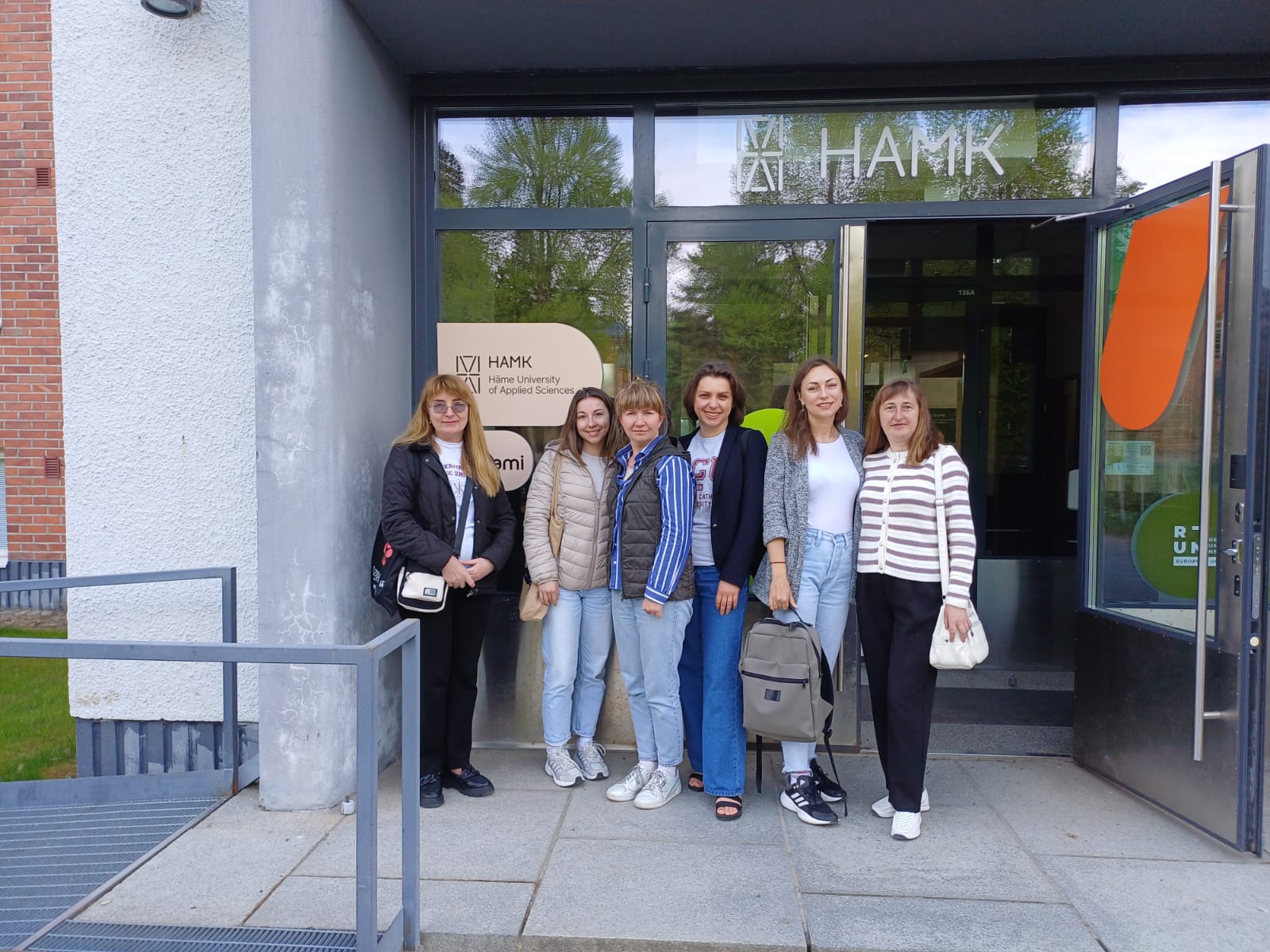
Another idea that resonates in the heart of every Ukrainian is total social trust. At the TAMK University of Applied Sciences in Tampere and at the Mustiala agricultural campus (HAMK University), you can see students who enjoy complete freedom of action. The integration of education with the labor market here relies on a word of honor and reputation. Business trusts higher education institutions to train specialists, universities trust students to work with complex equipment, and the state does not burden teachers with paperwork and meaningless inspections.
In Ukraine, we are used to living in a paradigm of control because in the past we faced deception and corruption all too often. But Finland’s experience shows that control costs more than trust. When you trust the teacher and their professionalism (and in Finland, as Professor Andrew Fern emphasized in his lecture at the West Finland College, competition for a teaching spot is fiercer than for a medical one), you free up time for creativity and working with children,students rather than filling out paperwork.
A Space Where Everyone Feels Human
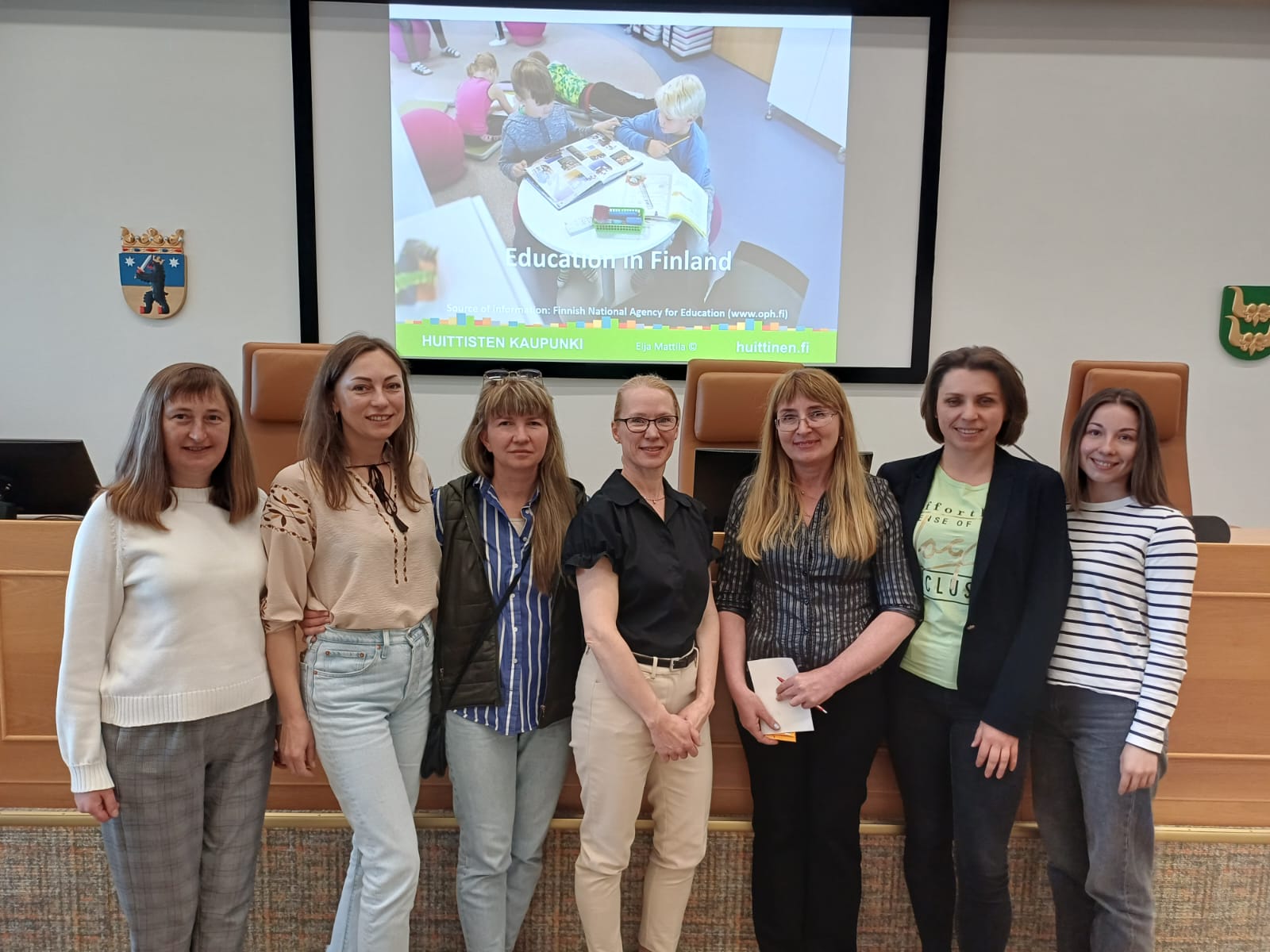
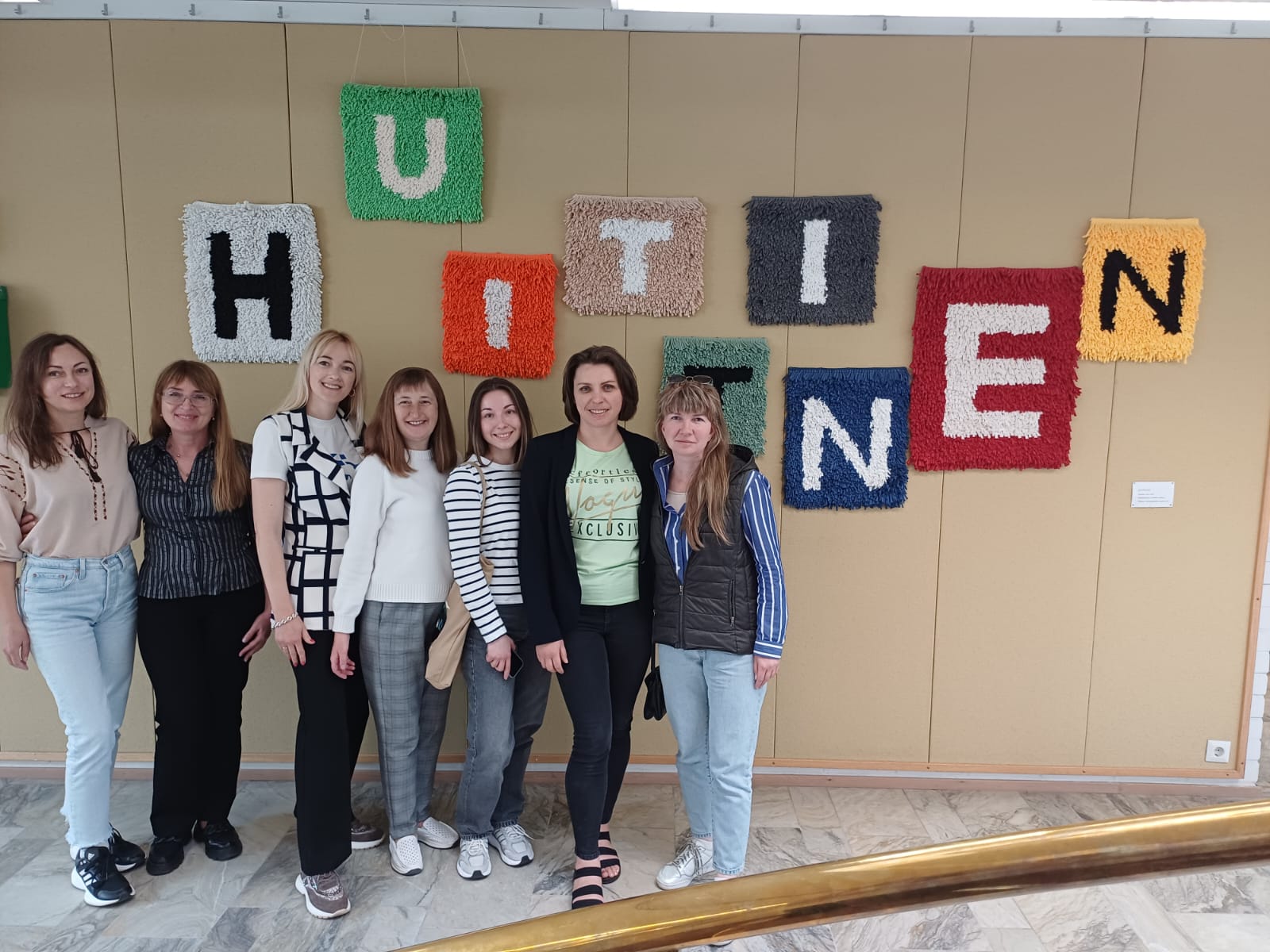
Perhaps the most emotional moment of the trip was visiting the libraries—a small library in the town of Huittinen and the famous Oodi Central Library in Helsinki. For Ukrainians, a Finnish library is a shock. It is not a book repository where you have to tiptoe around.
It is a free urban coworking space where, under one roof, people drink coffee, sew on sewing machines, record podcasts in professional studios, play board games, and, yes, read books.
The Oodi Library is an architectural manifesto of equality; anyone can walk in—from the Prime Minister to an ordinary person—and everyone has equal rights to this space, light, and information. This is precisely what we at UCU call fostering human dignity through the environment.
When the space around you is beautiful, comfortable, and takes your needs into account, you unconsciously begin to act like a free and responsible person. This is exactly what we need to consider in projects for rebuilding our destroyed Ukrainian cities.
Why Does Finland’s Experience Give Us Hope?
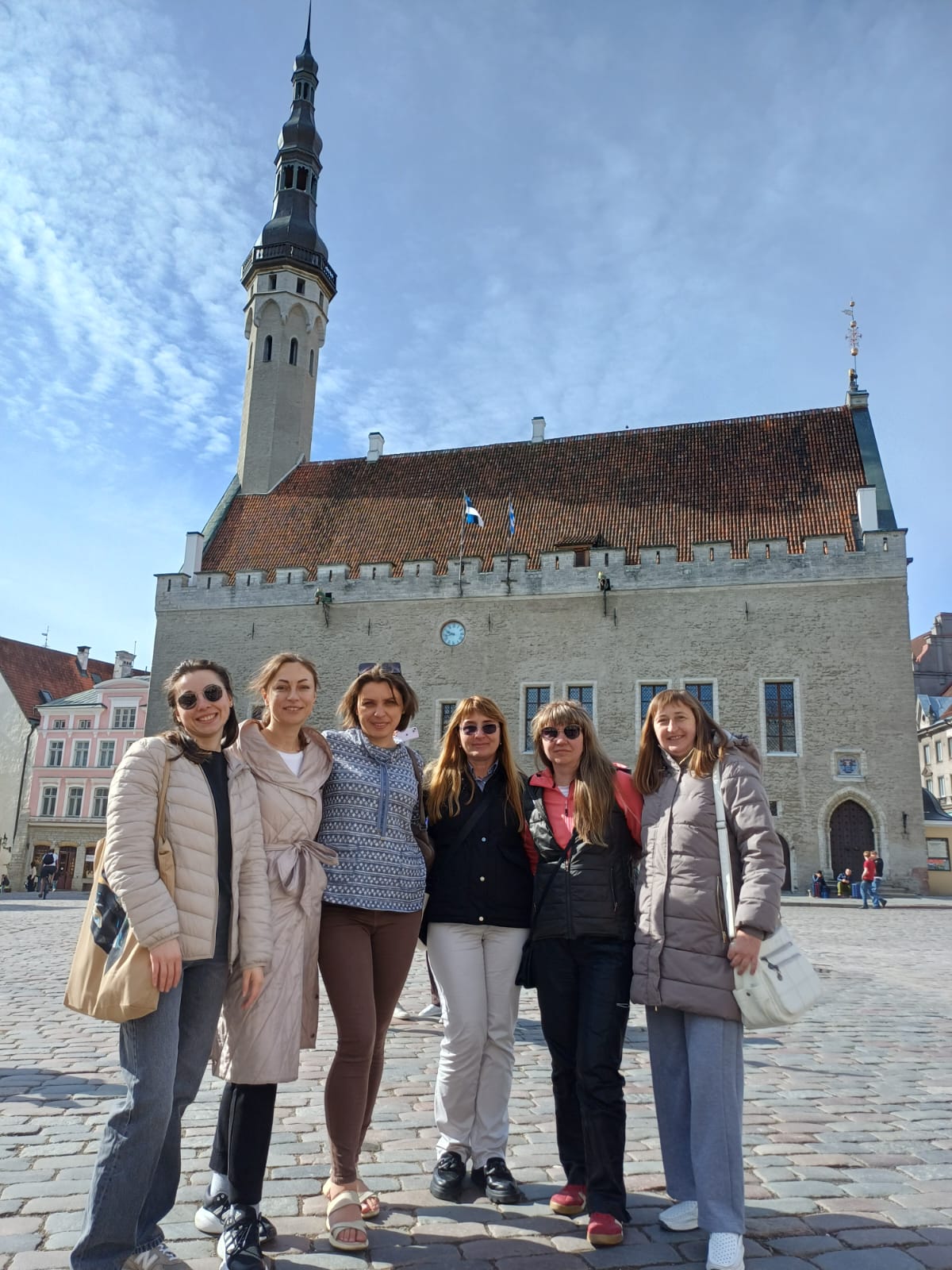
During the ferry ride from Helsinki to Tallinn, and then during the long journey back home to Ukraine, I thought a lot about our future. Today, Ukrainians are demonstrating an extraordinary spirit of solidarity and horizontal cooperation that the world has never seen before. We know how to unite in the face of death. But Finland teaches us something else—how to unite for the sake of life.
The Finnish education system was created in the 1970s as a response to poverty and the deep social crisis that followed the wars of the first half of the 20th century. The Finns realized that their only resource was people. And they invested in them through schools, through trust, through equality.
Right now, Ukraine is facing much more terrifying trials. But that is precisely why we have a unique opportunity—not to restore the old, essentially Soviet, authoritarian education system, but to build a new one. One where a child is valued, where a teacher is a respected professional, and where a school or university is a safe and humane space. The Finnish experience proves that this is possible. And this is precisely the future our people are fighting for today—both on the front line and at home.
Iryna Havrylyshyn
Senior lecturer of the Center for Modern Foreign Languages